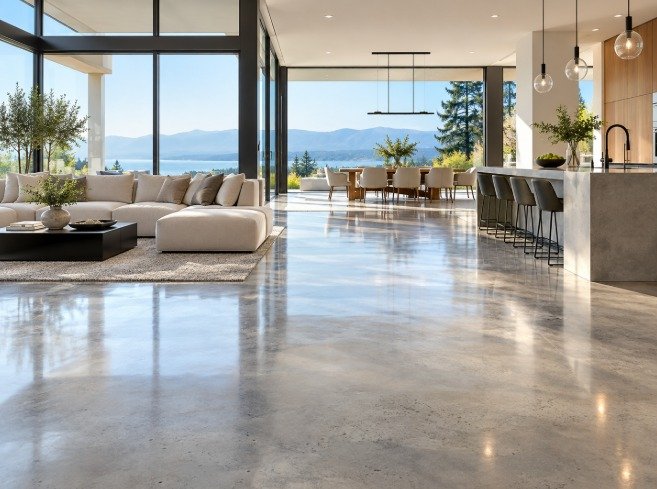
Polished concrete floor in a bright open-plan living space

Concrete Floor Services in Los Angeles

New concrete floors, repair, garage, basement, warehouse, and industrial floors, polished concrete, leveling, resurfacing, coatings, and decorative finishes.

Concrete Floor Services

Durable Floors for Homes and Businesses

Concrete floors are durable, versatile, and suitable for a wide range of residential, commercial, and industrial spaces. They can be installed in garages, basements, warehouses, workshops, retail spaces, utility rooms, commercial buildings, and other areas where a strong and low-maintenance surface is needed.

A properly installed concrete floor begins with good preparation. The condition of the base, slab thickness, reinforcement, drainage, moisture control, and intended use all influence how the finished floor should be built.

Our concrete floor services include new floor installation, floor repair, garage concrete floors, basement floors, warehouse floors, industrial flooring, polished concrete, floor leveling, resurfacing, and concrete floor coatings.

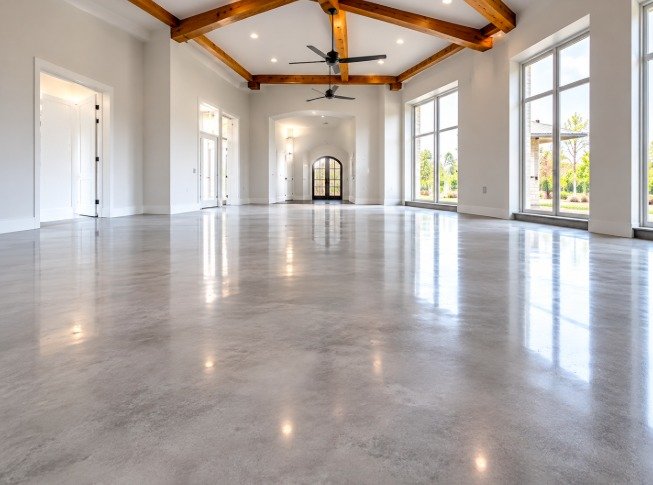
Polished concrete floor in a large bright room with wood beams
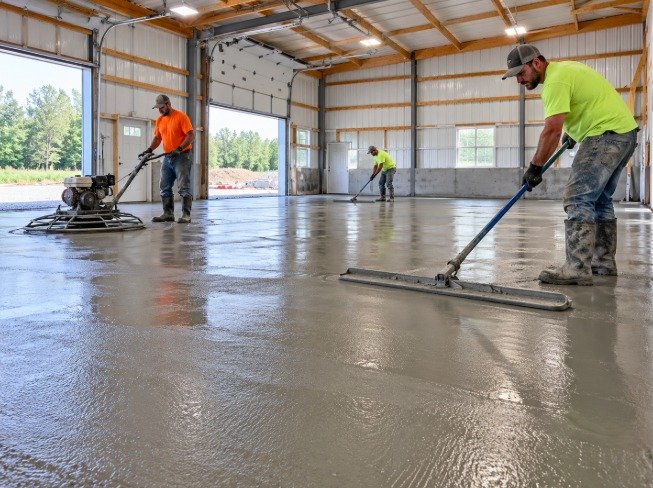
Crew power troweling and screeding a new concrete floor inside a large building

Concrete Floor Installation

Concrete floor installation begins with preparing the area and determining the correct slab design for the space.

Depending on the project, preparation may include excavation, compacting the base, installing forms, placing reinforcement, and adding moisture-control materials.

Concrete is then poured, leveled, finished, and allowed to cure.

The finishing method can vary depending on how the floor will be used.

A garage floor may require a durable smooth finish, while a warehouse floor may need a heavier-duty system designed for forklifts, equipment, and frequent traffic.

Concrete floors can also be customized with polishing, staining, coatings, decorative finishes, or textured surfaces.

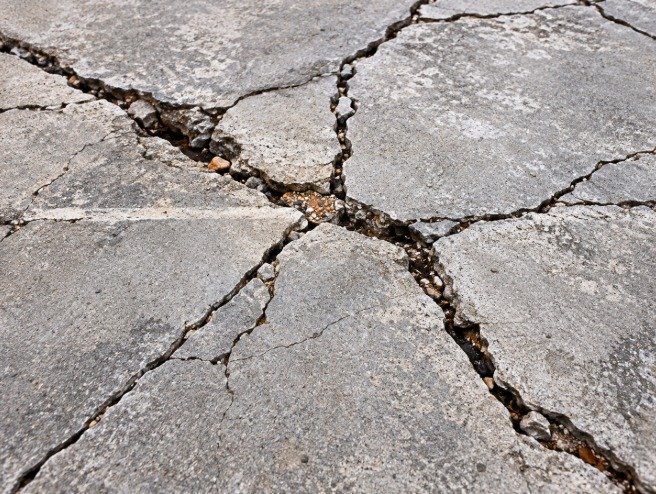
Cracked concrete surface that needs floor repair

Concrete Floor Repair

Concrete floors can develop cracks, chips, uneven areas, surface deterioration, or damaged joints over time.

Common causes include:

  • Settlement
  • Heavy equipment
  • Impact damage
  • Moisture
  • Poor drainage
  • Temperature changes
  • Surface wear

Concrete floor repair may involve crack filling, patching, joint repair, grinding, resurfacing, or replacing damaged sections.

The correct repair method depends on whether the problem is cosmetic or related to movement underneath the slab.

Addressing floor damage early can help prevent further deterioration.

Built for the Load

Garage, Warehouse, and Industrial Floors

Each floor is designed around the vehicles, equipment, and traffic it will carry every day.

Garage Concrete Floors

Garage floors need to withstand vehicle traffic, tools, storage, moisture, and everyday wear.

A properly installed garage floor should be level, durable, and easy to maintain.

Garage concrete floor services may include:

  • New slab installation
  • Crack repair
  • Surface repair
  • Floor leveling
  • Resurfacing
  • Polishing
  • Concrete coatings
  • Decorative finishes

The floor can also be designed around drains, storage areas, workbenches, and garage door transitions.
Warehouse Concrete Floors

Warehouse floors must support frequent traffic, storage racks, pallet jacks, forklifts, equipment, and heavy loads.

These floors often require careful base preparation, proper reinforcement, and a durable finish.

Warehouse concrete services may include:

  • New slab installation
  • Crack repair
  • Joint repair
  • Surface grinding
  • Floor leveling
  • Polishing
  • Resurfacing
  • Heavy-duty coatings

A properly designed warehouse floor can provide a smooth and dependable surface for daily operations.

Industrial Concrete Floors

Industrial flooring is designed for demanding environments where concrete may be exposed to heavy machinery, repeated traffic, impact, moisture, or chemicals.

Industrial concrete floors may be used in:

  • Manufacturing facilities
  • Workshops
  • Distribution centers
  • Production areas
  • Mechanical rooms
  • Service facilities
  • Storage buildings

The floor system should be selected according to the expected loads and working conditions.

Some industrial spaces may require reinforced slabs, special joint systems, coatings, or surface treatments.

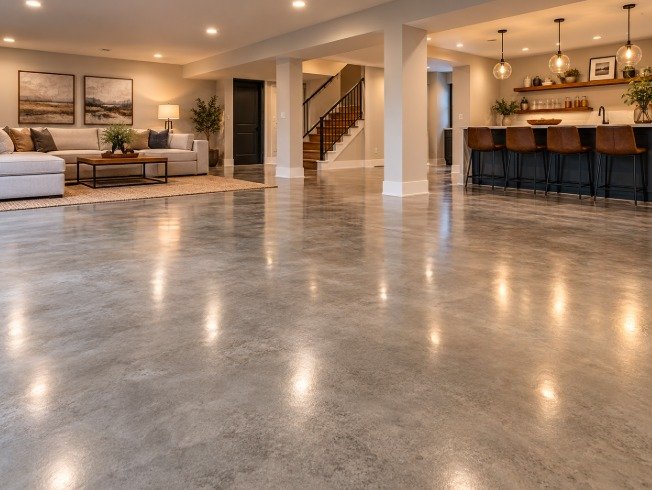
Finished basement with a polished concrete floor, sofa, and bar

Basement Concrete Floors

Concrete floors are commonly used in basements because they provide a durable foundation for finished or unfinished spaces.

Basement concrete floors may be installed or improved for:

  • Storage rooms
  • Utility rooms
  • Finished living areas
  • Home gyms
  • Workshops
  • Laundry rooms

Moisture is an important consideration in basement flooring.

Before applying coatings, finishes, or flooring systems, the condition of the slab and possible moisture exposure should be evaluated.

Basement floors can also be polished, stained, resurfaced, or leveled to improve their appearance and usability.

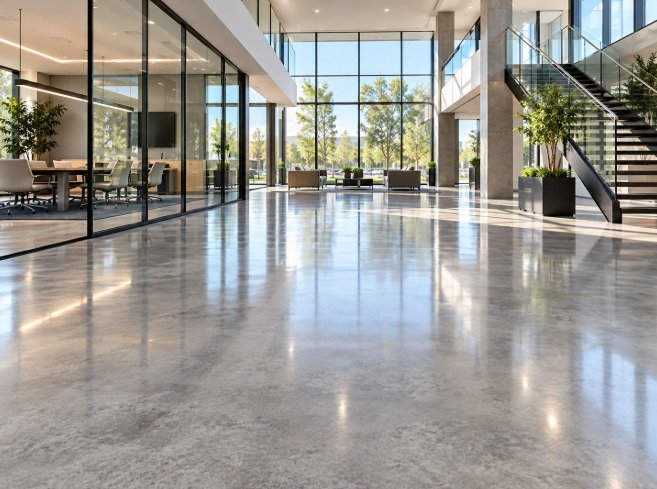
High-gloss polished concrete floor in a modern office lobby

Polished Concrete Floors

Polished concrete creates a smooth, finished surface by mechanically grinding and refining the concrete.

The polishing process can produce anything from a low-sheen finish to a more reflective appearance.

Polished concrete is often used in:

  • Retail stores
  • Offices
  • Garages
  • Basements
  • Warehouses
  • Showrooms
  • Commercial spaces

Polished floors can expose varying amounts of aggregate depending on how deeply the concrete is ground.

They can also be combined with stains or decorative treatments.

Fix the Floor You Have

Floor Leveling and Resurfacing

Concrete Floor Leveling

Uneven concrete floors can create problems with furniture, equipment, flooring installation, drainage, and everyday use.

Floor leveling may be needed when the slab has low spots, high areas, settlement, or uneven transitions.

Depending on the condition, leveling may involve:

  • Grinding
  • Filling low areas
  • Applying leveling compounds
  • Lifting sections
  • Replacing damaged areas

The goal is to create a more even and usable surface.

Before leveling, it is important to identify whether the unevenness is stable or related to ongoing movement.

Concrete Floor Resurfacing

Concrete resurfacing can improve the appearance and function of an older floor without necessarily replacing the entire slab.

Resurfacing may be appropriate when the concrete remains structurally sound but has surface wear, minor cracks, discoloration, or cosmetic damage.

The existing floor is cleaned and prepared before a new surface system is applied.

Resurfacing can be used in:

  • Garages
  • Basements
  • Workshops
  • Commercial spaces
  • Warehouses
  • Utility rooms

Decorative finishes or coatings can sometimes be incorporated into the resurfaced floor.

Protect the Surface

Coatings, Epoxy, and Sealing

Concrete Floor Coatings

Concrete floor coatings can add protection and improve the appearance of a concrete surface.

Coatings are commonly used in garages, commercial spaces, workshops, and industrial settings.

Depending on the system, coatings may help resist:

  • Stains
  • Moisture
  • Abrasion
  • Chemicals
  • Dirt
  • Frequent traffic

Concrete floor coatings may include epoxy, polyurethane, polyaspartic, and other specialized systems.

The concrete must be properly prepared before a coating is applied because surface condition can affect how well the coating bonds.

Epoxy Concrete Floors

Epoxy flooring is commonly used over concrete in garages, workshops, warehouses, and commercial spaces.

It creates a continuous coated surface that can be easier to clean than bare concrete.

Epoxy systems can be customized with:

  • Solid colors
  • Decorative flakes
  • Glossy finishes
  • Textured finishes
  • Multi-color designs

Proper preparation is especially important before applying epoxy.

The floor should be clean, dry, and free of loose material or contaminants.

Concrete Floor Sealing

Sealing can help protect concrete floors from moisture, stains, and surface wear.

Different sealers are available depending on the location and use of the floor.

Sealing may be suitable for:

  • Garages
  • Basements
  • Warehouses
  • Workshops
  • Utility rooms
  • Decorative concrete floors

The concrete should be properly cleaned and prepared before sealer is applied.

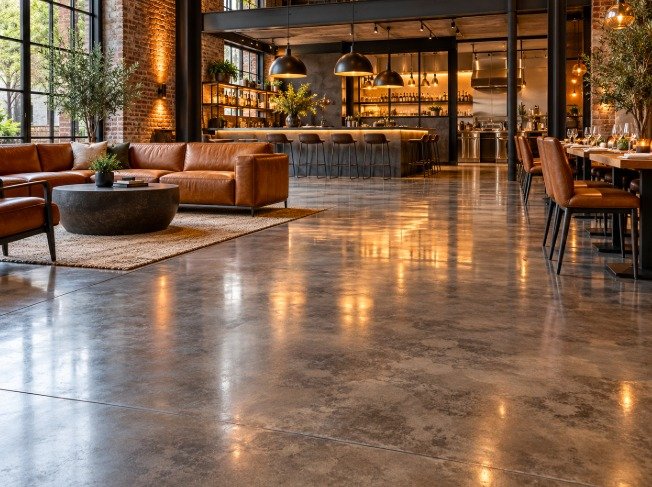
Polished decorative concrete floor in a restaurant with a lounge and bar

Decorative Concrete Floors

Concrete floors can also be designed for appearance.

Decorative options may include:

  • Staining
  • Polishing
  • Scoring
  • Saw-cut patterns
  • Colored concrete
  • Decorative overlays
  • Custom finishes

Decorative concrete can be used in residential and commercial interiors where the floor is intended to be part of the overall design.

Finishing and Repairs

Staining, Grinding, Joints, and Crack Repair

Stained Concrete Floors

Concrete staining can add color while allowing some of the natural character of the concrete to remain visible.

Stained floors can be used in:

  • Basements
  • Retail spaces
  • Restaurants
  • Offices
  • Showrooms
  • Residential interiors

Colors can range from subtle earth tones to deeper decorative shades.

The final appearance can vary depending on the condition and composition of the existing concrete.

Concrete Floor Grinding

Grinding can be used to smooth rough concrete, remove certain surface coatings, reduce high spots, and prepare floors for resurfacing or coatings.

Concrete grinding may also be part of:

The amount of grinding needed depends on the condition of the concrete and the desired finish.

Concrete Joint Repair

Joints help manage movement within concrete slabs.

Over time, joints can become damaged, widened, chipped, or filled with debris.

Joint repair may involve cleaning, filling, sealing, or rebuilding damaged edges.

Proper joint maintenance is especially important in commercial and industrial floors where carts, forklifts, or equipment frequently cross the joints.

Cracked Concrete Floor Repair

Cracks in concrete floors can develop from shrinkage, settlement, structural movement, or changes in temperature.

Some cracks may remain stable, while others may continue to move.

Repair options can include:

  • Crack filling
  • Epoxy injection
  • Flexible sealants
  • Surface patching
  • Partial replacement

The type of repair should match the cause and location of the crack.

Commercial Concrete Floors

Commercial concrete floors are used in many different properties, including:

  • Retail stores
  • Restaurants
  • Offices
  • Apartment buildings
  • Service centers
  • Showrooms
  • Warehouses

Commercial floors should be designed around expected traffic and maintenance requirements.

Depending on the property, the floor may be polished, coated, resurfaced, or finished with a simple durable surface.

Residential Concrete Floors

Residential concrete flooring can be used in garages, basements, workshops, utility rooms, home gyms, and certain finished interior spaces.

Homeowners may choose bare concrete, polished concrete, stained finishes, or coatings depending on the desired appearance.

Concrete can provide a durable alternative to other flooring materials in areas where moisture or heavy use is a concern.

Choosing the Right Concrete Floor Solution

The best concrete floor system depends on how the space will be used.

A residential basement may need a very different finish from a warehouse or industrial facility.

Evaluating these conditions helps determine whether the floor should be installed, repaired, leveled, resurfaced, polished, or coated.

Get A Free Estimate

Important factors may include:

  • Foot traffic
  • Vehicle traffic
  • Equipment weight
  • Moisture exposure
  • Chemical exposure
  • Surface condition
  • Appearance
  • Maintenance requirements

Complete Concrete Floor Solutions

Our concrete floor services include installation, repair, garage floors, basement floors, warehouse floors, industrial floors, polishing, leveling, resurfacing, coatings, crack repair, joint repair, and decorative finishes.

Whether you need a new concrete floor or want to restore an existing slab, proper preparation is essential.

With the right installation, repair method, surface treatment, and maintenance, a concrete floor can provide a durable and practical surface for residential, commercial, and industrial spaces for many years.

Floor FAQs

Concrete Floor Questions, Answered

It depends on how you use the space. Sealed concrete is simple and affordable, polished concrete is durable and easy to clean, and epoxy or polyaspartic coatings add color, stain resistance, and a finished look. If you park vehicles, work with tools, or store chemicals, a coating is often a good choice. We look at the condition of your slab and recommend the finish that fits your needs and budget.

In many cases, yes. If the slab is structurally sound, we can grind and polish it to anything from a low sheen to a high gloss. Existing cracks, patches, stains, and old adhesives can affect the final look, since polishing shows the natural character of the concrete. We inspect the floor first, repair what is needed, and explain what the finished surface will likely look like.

Dry polished concrete is generally not more slippery than many other hard floors, and it is widely used in stores, offices, and homes. Like most smooth surfaces, it can become slippery when wet or when spills are not cleaned up. For entries, kitchens, or areas that get wet, we can recommend a lower sheen, slip-resistant treatments, or a textured coating to improve traction.

Yes. Good preparation is the most important part of any floor coating or polish. We fill cracks, repair joints, patch damaged areas, and grind or level high and low spots before the final finish goes on. We also check for moisture, especially in basements and older slabs, because moisture and poor surface preparation are common reasons coatings peel or fail over time.

It depends on the job. Polishing, sealing, or coating an existing floor often takes one to a few days, plus time for the coating to cure before foot traffic and vehicles. A new concrete floor needs time to cure before heavy use or coatings, and larger commercial floors take longer. We give you a clear schedule up front, including when the space can be used again.

Book Service

Get Your Concrete Floor Project Started

Fill out the form below and our team will get back to you quickly with a free estimate.

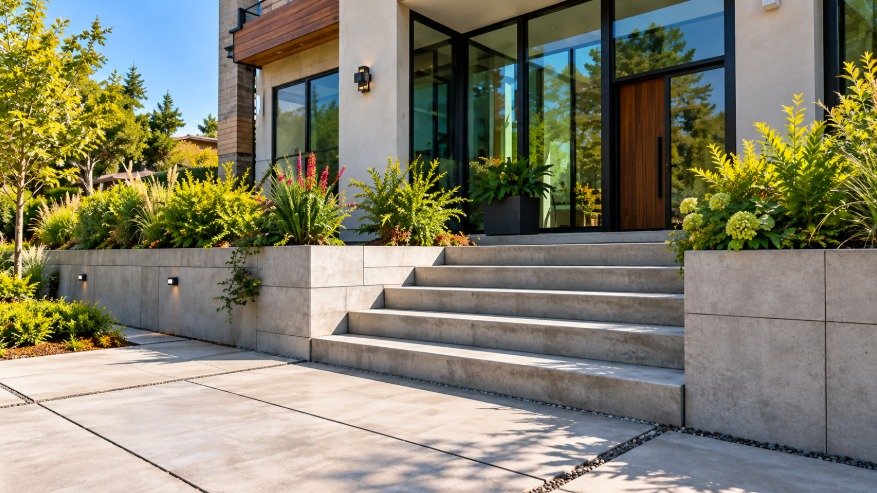
Concrete steps and walkway at a modern Los Angeles home
  • Free Estimates
  • Quick Response
  • Service Throughout Los Angeles
  • Residential & Commercial
  • Licensed, Bonded & Insured