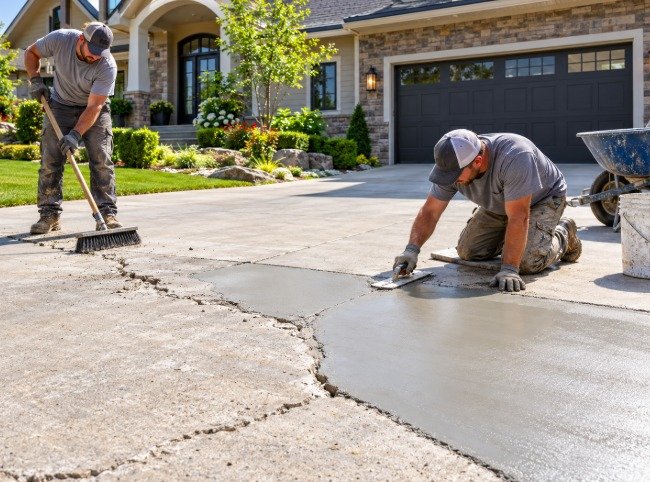
Crew patching a cracked concrete driveway in front of a home

Concrete Repair Services in Los Angeles

Crack and joint repair, resurfacing, leveling, lifting, grinding, spalling and scaling repair, sunken and uneven concrete, and trip hazard correction for homes and businesses.

Concrete Repair Services

Restore Damaged Concrete Before It Gets Worse

Concrete is strong and durable, but over time it can still develop cracks, uneven areas, surface deterioration, settlement, and other forms of damage. These problems can affect driveways, patios, sidewalks, walkways, slabs, floors, steps, foundations, pool decks, and commercial concrete surfaces.

Professional concrete repair can help restore damaged areas, improve appearance, reduce trip hazards, and extend the usable life of existing concrete. The right repair method depends on the type of damage, the condition of the slab, the cause of the problem, and how the area is used.

Our concrete repair services include crack repair, joint repair, resurfacing, leveling, lifting, raising, grinding, spalling repair, flaking repair, scaling repair, broken concrete repair, uneven concrete repair, sunken concrete repair, and trip hazard correction.

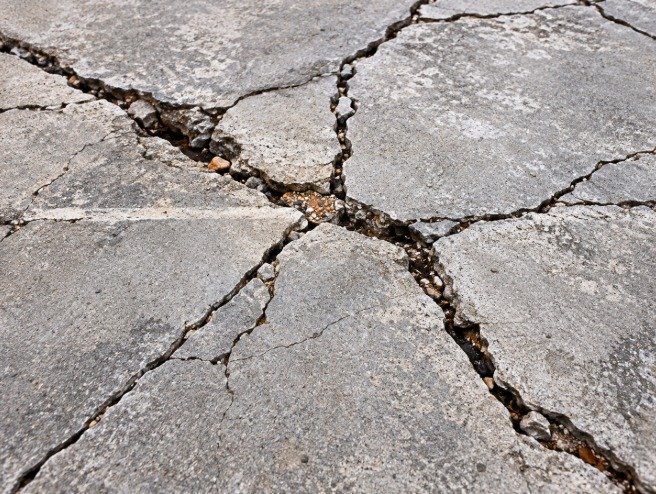
Close-up of cracked and broken concrete that needs repair
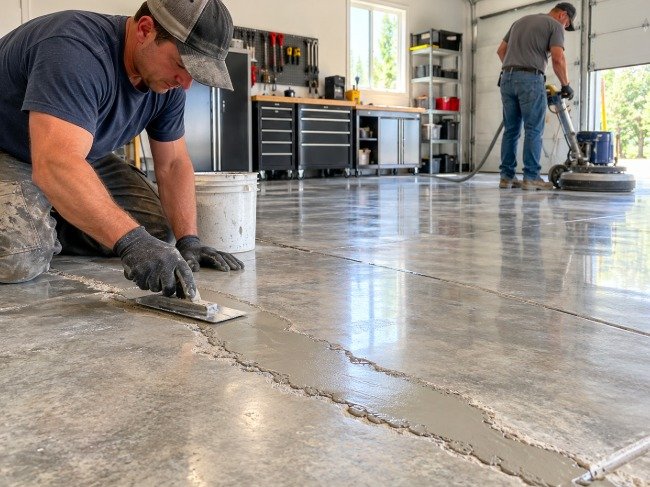
Technician filling a long crack in a garage concrete floor with a trowel

Concrete Crack Repair

Cracks are one of the most common problems found in concrete.

Some cracks develop naturally as concrete cures and shrinks, while others may be caused by:

  • Soil movement
  • Settlement
  • Heavy loads
  • Moisture
  • Poor drainage
  • Tree roots
  • Temperature changes
  • Inadequate base preparation

Concrete crack repair may involve filling, sealing, patching, injecting, or replacing the affected area depending on the size and cause of the crack.

Small surface cracks may require a relatively simple repair, while wider or actively moving cracks may indicate a larger issue beneath the concrete.

Concrete Joint Repair

Concrete joints help control movement and reduce random cracking.

Over time, joints can deteriorate, widen, become filled with debris, or develop broken edges.

Joint repair may include:

  • Cleaning damaged joints
  • Removing loose material
  • Filling gaps
  • Sealing joints
  • Rebuilding damaged edges
  • Replacing failed joint material

Joint repair is especially important in garages, warehouses, driveways, sidewalks, and commercial floors where wheels and equipment frequently cross the joints.

Proper joint maintenance can help protect the surrounding concrete from further damage.
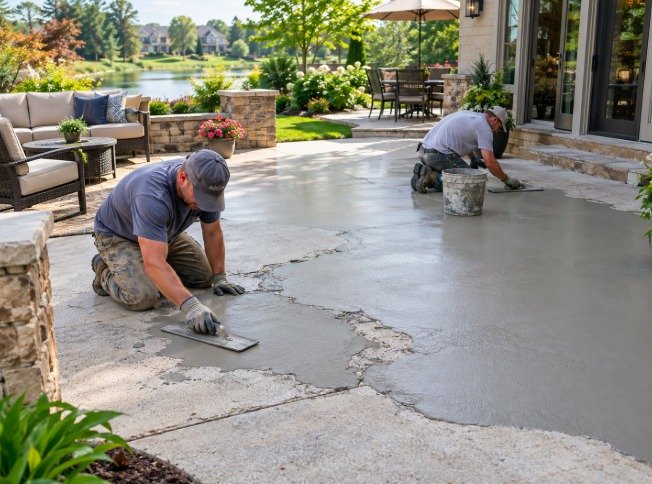
Workers applying a new resurfacing layer over a worn concrete patio

Concrete Resurfacing

Concrete resurfacing can improve the appearance and function of an older surface without necessarily removing and replacing the entire slab.

Resurfacing may be appropriate when the concrete is structurally sound but has:

  • Surface wear
  • Minor cracking
  • Discoloration
  • Light scaling
  • Cosmetic deterioration
  • Rough texture

The existing concrete is cleaned and prepared before a new surface layer is applied.

Resurfacing can be used on driveways, patios, walkways, pool decks, floors, and other concrete surfaces.

Decorative colors and textures can also be incorporated into some resurfacing systems. See our decorative overlays.

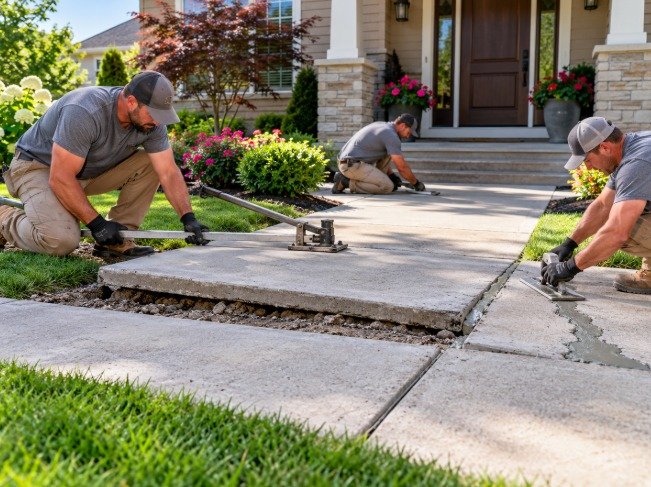
Crew leveling and repairing an uneven concrete walkway in front of a house

Concrete Leveling

Uneven concrete can create drainage issues, uncomfortable walking surfaces, and trip hazards.

Concrete leveling is used to correct slabs that have shifted, settled, or developed uneven transitions.

Depending on the condition, leveling may involve:

  • Grinding high areas
  • Filling low areas
  • Lifting sunken slabs
  • Stabilizing the base
  • Replacing damaged sections

The correct approach depends on why the slab moved in the first place.

If settlement is caused by unstable soil, erosion, or poor drainage, those conditions may also need to be addressed.

Correcting Uneven Slabs

Lifting, Raising, and Grinding

Concrete Lifting

Concrete lifting can sometimes restore a sunken slab without removing and replacing the entire section.

The process is designed to raise the slab closer to its original position and improve alignment with surrounding concrete.

Concrete lifting may be considered for:

  • Sidewalks
  • Driveways
  • Patios
  • Garage aprons
  • Walkways
  • Small slabs

The suitability of lifting depends on the condition of the concrete and the amount of settlement.

Severely cracked or deteriorated slabs may be better candidates for replacement.

Concrete Raising

Concrete raising is another method used to correct settled or sunken slabs.

It may help improve transitions between sections and reduce low spots where water can collect.

This service is commonly used where one concrete section has dropped relative to another.

Before raising the slab, the cause of the movement should be evaluated.

If soil erosion, drainage, or voids below the slab caused the problem, correcting those conditions can help improve the long-term result.

Concrete Grinding

Concrete grinding can be used to smooth rough surfaces, reduce raised edges, and remove certain surface imperfections.

Grinding may be appropriate for:

  • Trip hazards
  • Uneven joints
  • Rough concrete
  • Coating preparation
  • Floor leveling
  • Surface restoration

Grinding is often used on sidewalks, floors, commercial areas, and other locations where a small difference in elevation can be corrected without removing the slab.

The amount of grinding possible depends on the thickness and condition of the concrete.

Surface Damage

Spalling, Flaking, and Scaling Repair

Spalling Concrete Repair

Spalling occurs when the surface of concrete begins to break, chip, or separate.

It can be caused by:

  • Moisture intrusion
  • Freeze-thaw exposure
  • Corrosion of reinforcement
  • Poor finishing
  • Heavy wear
  • Chemical exposure

Spalling may appear as shallow surface damage or deeper deterioration.

Repair may involve removing loose concrete, cleaning the damaged area, and applying a compatible repair material.

More severe spalling may require partial replacement.

Flaking Concrete Repair

Flaking concrete occurs when thin pieces of the surface begin to break away.

This can make the concrete appear rough, worn, or uneven.

Flaking may be related to:

  • Surface weakness
  • Improper finishing
  • Moisture
  • Weather exposure
  • Deicing chemicals
  • Age

Light flaking may sometimes be corrected through surface repair or resurfacing.

If the deterioration extends deeper into the slab, more extensive repair may be required.

Scaling Concrete Repair

Scaling is a form of surface deterioration where the top layer of concrete begins to peel or break away.

It can affect driveways, sidewalks, patios, steps, and other exposed areas.

Scaling may range from light surface wear to significant loss of material.

Repair methods may include:

  • Surface preparation
  • Patching
  • Resurfacing
  • Sealing
  • Partial replacement

The appropriate repair depends on the depth and extent of the damage.

Damaged Slabs

Broken, Uneven, Sunken, and Trip Hazard Repair

Broken Concrete Repair

Broken concrete can develop from impact, heavy loads, settlement, structural movement, or long-term deterioration.

Common broken areas include:

  • Driveway corners
  • Sidewalk edges
  • Patio sections
  • Steps
  • Curbs
  • Slab edges

Small damaged sections may be patched or rebuilt.

Larger broken areas may require removal and replacement.

The repaired section should be prepared carefully so it connects properly with the surrounding concrete.

Uneven Concrete Repair

Uneven concrete can develop when slabs move at different rates.

This may be caused by:

  • Soil settlement
  • Tree roots
  • Erosion
  • Expansive soils
  • Water intrusion
  • Poor compaction

Uneven surfaces may create problems on driveways, sidewalks, patios, floors, and walkways.

Repair methods can include grinding, leveling, lifting, resurfacing, or replacement.

The best method depends on the amount of movement and the overall condition of the slab.

Sunken Concrete Repair

Sunken concrete develops when the material beneath the slab no longer provides even support.

This can happen when soil settles, washes away, or becomes compacted unevenly.

Common signs include:

  • Low spots
  • Standing water
  • Uneven joints
  • Slabs sloping toward buildings
  • Dropped sidewalk sections

Sunken concrete repair may involve lifting, stabilizing, filling voids, or replacing the affected section.

Correcting drainage around the area may also be important.

Concrete Trip Hazard Repair

Trip hazards are common where one concrete section sits higher or lower than the next.

They can appear on:

  • Sidewalks
  • Walkways
  • Driveways
  • Patios
  • Entryways
  • Commercial paths

Trip hazard repair may involve:

  • Grinding raised edges
  • Leveling slabs
  • Lifting sunken sections
  • Replacing damaged concrete

The goal is to create a smoother transition between adjoining surfaces and improve pedestrian access.

Repairs by Area

Driveway, Patio, Sidewalk, Floor, Step, and Pool Deck Repair

Driveway Concrete Repair

Concrete driveways can develop cracks, settlement, broken corners, surface wear, and low spots.

Driveway repair options may include:

  • Crack sealing
  • Joint repair
  • Patching
  • Resurfacing
  • Leveling
  • Section replacement

The right repair method depends on how much of the driveway is damaged.

A few isolated problems may be repairable, while widespread deterioration may make replacement more practical.

Concrete Driveway Services

Patio Concrete Repair

Patio concrete can be affected by settlement, cracks, surface wear, drainage problems, and weather exposure.

Patio repairs may include:

  • Crack repair
  • Surface patching
  • Leveling
  • Resurfacing
  • Edge repair
  • Section replacement

Decorative patios may also require special attention so the repaired area coordinates with existing colors and textures.

Concrete Patio Services

Sidewalk Concrete Repair

Sidewalk repair is often needed when concrete becomes cracked, raised, sunken, or uneven.

Tree roots, soil movement, and drainage problems are common causes.

Repair may involve:

  • Grinding
  • Leveling
  • Crack repair
  • Slab replacement
  • Edge repair

Sidewalk repairs can improve appearance and help reduce trip hazards.

Sidewalk & Walkway Services

Concrete Floor Repair

Concrete floors in garages, basements, warehouses, and industrial spaces can develop cracks, damaged joints, surface wear, and uneven areas.

Floor repair may include:

  • Crack filling
  • Joint repair
  • Grinding
  • Patching
  • Resurfacing
  • Leveling

The floor should be evaluated based on expected traffic and equipment loads.

Commercial and industrial floors may require more durable repair materials.

Concrete Floor Services

Concrete Step Repair

Concrete steps can develop cracks, broken edges, surface damage, and settlement.

Repair may involve rebuilding damaged corners, patching cracks, resurfacing treads, or replacing individual sections.

Steps should remain even and properly aligned to provide safe access.

If the entire stair structure has shifted, more extensive repair may be necessary.

Steps & Stairs Services

Pool Deck Concrete Repair

Pool decks are frequently exposed to water, sunlight, and regular foot traffic.

Common problems include:

  • Cracks
  • Surface wear
  • Uneven areas
  • Fading
  • Scaling
  • Settlement

Pool deck repair may include resurfacing, crack repair, leveling, or section replacement.

Texture and drainage should be considered because poolside concrete is often wet.

Pool Concrete Services
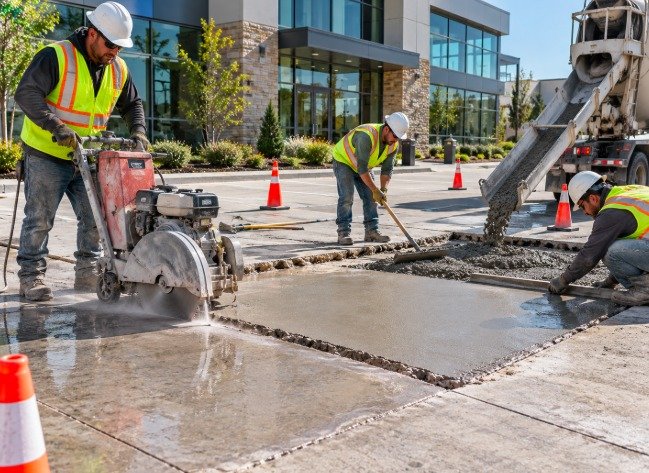
Crew saw cutting and replacing a damaged section of commercial concrete in a parking area

Commercial Concrete Repair

Commercial properties often have large areas of concrete that experience frequent traffic and heavy use.

Repair services may be needed for:

  • Parking areas
  • Walkways
  • Loading zones
  • Warehouse floors
  • Entryways
  • Curbs
  • Equipment areas

Commercial repairs should be planned around traffic patterns and operational needs.

Durability is especially important in areas used by delivery vehicles, forklifts, or heavy equipment.

Residential Concrete Repair

Residential concrete repair can help restore many areas around the home.

Common applications include:

  • Driveways
  • Patios
  • Walkways
  • Garage floors
  • Steps
  • Porches
  • Slabs
  • Pool decks

Repairing damaged areas can improve both appearance and everyday usability.

The repair method should match the condition of the concrete and the homeowner’s long-term plans for the property.

Repair or Replace?

Choosing Between Repair and Replacement

When Concrete Repair May Be Better Than Replacement

Repair can be a practical option when the majority of the concrete remains stable and only limited areas are damaged.

Concrete repair may be suitable when:

  • Cracks are isolated
  • Settlement is minor
  • Damage is limited to the surface
  • Only a few sections are affected
  • The slab remains structurally stable

Repair can help extend the life of existing concrete without replacing an entire area.

When Concrete Replacement May Be Necessary

Replacement may be more appropriate when the concrete has widespread structural problems.

This may include:

  • Severe settlement
  • Extensive cracking
  • Multiple broken sections
  • Major surface deterioration
  • Repeated failed repairs
  • Significant base problems

Replacing the concrete also provides an opportunity to correct drainage, base preparation, thickness, reinforcement, and layout.

Choosing the Right Concrete Repair Method

Every repair project should begin with determining why the concrete was damaged.

Treating only the visible surface may not solve the problem if the underlying cause remains.

A repair plan should address both the damage and the conditions that contributed to it.

Get A Free Estimate

Important factors include:

  • Age of the concrete
  • Type of damage
  • Soil conditions
  • Drainage
  • Structural movement
  • Traffic
  • Moisture exposure
  • Previous repairs

Complete Concrete Repair Solutions

Our concrete repair services include crack repair, joint repair, resurfacing, leveling, lifting, raising, grinding, spalling repair, flaking repair, scaling repair, broken concrete repair, uneven concrete repair, sunken concrete repair, and trip hazard correction.

Whether the damaged area is a driveway, patio, sidewalk, floor, slab, step, or commercial surface, the goal is to restore function while helping prevent additional deterioration.

With proper evaluation, surface preparation, and the right repair method, many damaged concrete surfaces can be improved and kept in service for years to come.

Repair FAQs

Concrete Repair Questions, Answered

It depends on how much of the concrete is damaged and why. Isolated cracks, minor settlement, and surface wear can often be repaired for much less than replacement. Widespread cracking, severe settlement, multiple broken sections, or repeated failed repairs usually mean replacement is the better long-term value. We inspect the concrete in person, find the cause, and give you an honest recommendation.

We work to match the color and texture as closely as possible, but new concrete and patch materials often look slightly different at first, since older concrete has weathered over time. The difference usually softens as the repair ages. When a closer match matters, resurfacing the whole area or adding a color treatment or sealer can help create a more even, uniform appearance.

Often, yes. Slabs that have dropped but are still in one piece can sometimes be lifted, raised, or stabilized, and small height differences at joints can be ground smooth. Badly cracked or broken slabs usually need to be replaced. We also look at drainage and soil conditions under the slab so the problem is less likely to come back after the repair.

Many repairs, such as crack filling, joint sealing, grinding, and small patches, can be completed in a few hours to a day. Resurfacing, leveling, and section replacement usually take one to a few days, plus curing time before the area can handle foot traffic or vehicles. We give you a clear timeline and let you know exactly when the area can be used again.

The cost depends on the type of damage, the size of the area, the repair method, and site access. As a general guide, many concrete repairs fall around $4 to $12 per square foot, while small jobs like crack sealing or grinding a trip hazard may have a minimum project price. We provide a free on-site estimate with a clear, detailed written quote.

Book Service

Get Your Concrete Repair Started

Fill out the form below and our team will get back to you quickly with a free estimate.

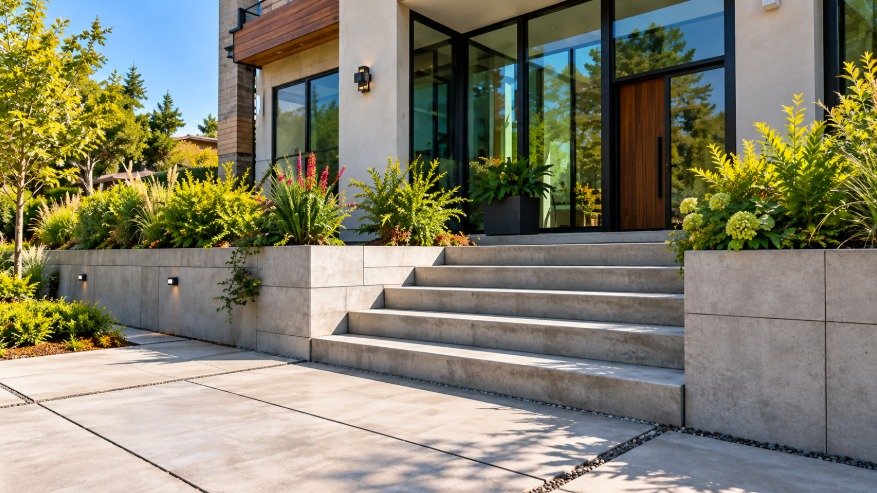
Concrete steps and walkway at a modern Los Angeles home
  • Free Estimates
  • Quick Response
  • Service Throughout Los Angeles
  • Residential & Commercial
  • Licensed, Bonded & Insured